Free 20 minute session at 12.30 every Monday except bank holidays.
Come in your lunch time and leave feeling relaxed for the week ahead. You’ll still have enough time to eat your lunch.
No thanks, return to website

3 August 2026
“I’m so worried about being sick.”
“I feel sick all the time.”
“I have to do everything possible to avoid being sick.”
“I can’t be near anyone who’s unwell.”
“What if I get ill and I’m sick?”
“I have to check every use-by date, so they don’t make me ill.”
“I can’t eat chicken, it might make me sick.”
“I can’t eat out, or let my child go on a school trip, just in case.”
I hear phrases like these from my clients time and again.

Emetophobia, a fear of vomiting, is one of the most misunderstood phobias I work with. Most of the people I see feel embarrassed or ashamed about it. Many find it hard to even talk about. That’s because just discussing their fear can bring the symptoms flooding back.
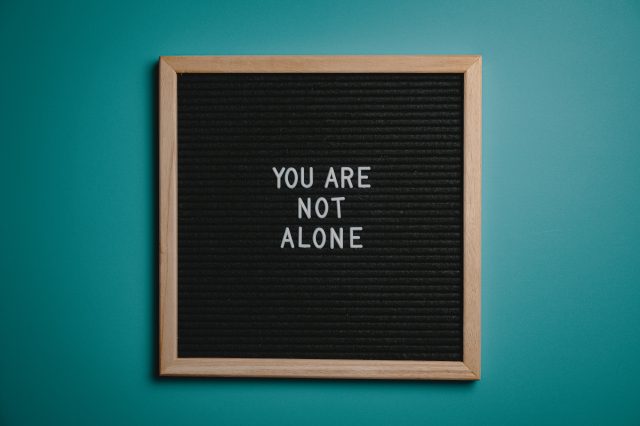
If you recognise yourself, or your teenager, in these words, please know you’re not alone. Emetophobia is far more common than most people realise. Actresses Cameron Diaz, Denise Richards and Bella Ramsey have all spoken publicly about living with it. So has the singer Anne-Marie.
The fear that comes with emetophobia can feel overwhelming. Left unchecked, it can end up shrinking your whole life. Very often, you start to avoid more and more situations just in case you feel sick, get sick or come into contact with someone being sick.
If this is where you are right now, it can feel like fear is running your life. But you don’t have to face it alone. With the right support, you can learn to manage it.
Emetophobia is an intense fear of vomiting, seeing vomit, or of others being sick.
It shows up differently from person to person. Some worry about their own body, constantly checking for the first sign of nausea. Others are more focused on the people around them, watching closely for anyone who seems unwell.
Emetephobia usually begins in childhood or early adolescence. Often it follows a distressing bout of sickness, either your own or someone else’s. Left unchecked, the fear can persist for an average of over 25 yearsi.

Emetophobia is isolating and you may feel like you’re the only one who feels like this. The truth is you’re not. Research suggests that up to 8.8% of the population may live with emetophobiaii
If you live with emetophobia, you may recognise some or all of these patterns:
Over time, these habits can end up deciding where you go, what you eat, and what you allow yourself to do.
Living with emetophobia is exhausting. The fear of being sick, or of seeing someone else vomit, can take over your thoughts and shape every decision, big or small. Everyday situations that others barely think twice about can leave you feeling completely overwhelmed.
Emetephobia doesn’t have to control your life. It’s possible to change. Understanding your fear and what keeps it going is the first step to breaking the cycle.

Cognitive Behavioural Therapy (CBT) is the treatment most strongly supported by research for emetophobiaiii. Studies show it can bring about real, lasting improvementiv.
I combine CBT with Acceptance and Commitment Therapy (ACT) and other evidence-based approaches to give you practical ways to manage anxious thoughts and feelings.
Alongside this, I use the gentle, supportive power of hypnotherapy. Hypnotherapy helps calm the body’s alarm response and lets you build a realistic image of yourself coping. In hypnosis you get to experience what it feels like to be confident, calm, and in control. Over time, this helps your body learn a new and better way of responding.
Used together, change tends to feel more achievable, and far less overpowering. You stay in the driving seat throughout, directing the pace of change so it always feels right for you. This can often becom the moment when you start learning how to live without fear calling the shots.
Everyone’s journey looks a little different. Some people notice a shift after just a session or two. For others, change builds more gradually. Either way, you’re moving forward and the phobia is losing it’s control.
Nova (not her real name) first came to see me as a 14-year-old who’d lived with emetophobia since she was only six years old. She was terrified of vomiting in any form. She deeply believed that if she saw or even knew someone was unwell, she would “catch it” too. She didn’t know how to cope with the feelings that came with this, and they were only getting worse.
Her mind would race, making it almost impossible to concentrate at school. She began talking constantly in class as a way to distract herself and manage her anxiety,. This got her into trouble with her teachers and over time she started falling behind.
As the fear took hold, Nova sought constant reassurance from the people around her. She was desperate to be told she wouldn’t be sick or catch something from someone else. She stopped going to sleepovers. She pulled back from her friends. Her parents watched, worried, as it took over more and more of her life.
We started by building Nova’s confidence in her own ability to cope. Together, we explored the role her mind played in keeping her stuck. She learnt to identify the difference between her thoughts, feelings and physical sensations. She quickly discovered that by constantly thinking about being sick, she was making things worse, not better. We built her a toolbox of techniques to help her take back control from her anxious thoughts.
As her confidence grew, so did her world. She began concentrating better at school. As she felt more in control she started spending more time with friends. She even starrted to say yes to things she’d have once avoided completely.

“Nova had first developed emetophobia when she was six. Over the years I tried different types of therapy to help her, but nothing worked.
It wasn’t until she turned 14, and her anxiety had spiralled out of control, that I realised how much it was affecting her — she’d been hiding it from me. She was fine at home, but every day at school she was gripped by anxiety, and it was affecting her lessons.
That’s when I contacted Celia. I wanted a natural approach for Nova, and having found hypnosis helpful myself, I wanted her to try it.
Celia has been amazing. From Nova’s very first session, her anxiety changed almost overnight. Her talking in class stopped, and she now uses the tools Celia gave her to handle anything difficult that comes up.
Nova was recently in the park with friends and saw a boy being sick. She didn’t even mention it to me until the next day — and when she did, she said it hadn’t bothered her at all.
I can’t recommend Celia highly enough. She’s a lovely, understanding person who genuinely wants to help you through your anxiety or phobia. Nova felt completely comfortable and relaxed in her sessions.”
Change is possible
If this sounds like you, know this: just like Nova, you are capable of change too. It takes courage — but it can be done.
However long you’ve lived with this fear, and however much it’s shrunk your world, your emetophobia can be treated. When we work together, we always go at the pace that’s right for you. There’s no pressure to face your biggest fear on day one. Instead, we build things up gradually, so your confidence grows in a way that feels real and lasting at every stage.
You don’t have to keep organising your life around avoiding sickness. With the right support, you can get back to eating out, travelling and being around other people without fear.
Here are five practical tips to help you manage emetophobia
Find somewhere quiet and let your body relax completely, breathing slowly and easily. Once you feel settled, picture yourself in a situation you currently avoid. Maybe you can imagine you’re eating in a restaurant, or being near someone who’s unwell. See yourself coping calmly. Notice yourself breathing steadily, having sensations without alarm, getting on with your day exactly as you want to.
If a worry thought pops up, notice it and let it be there. Then gently guide your attention back to the image of yourself coping. Stay with feeling calm confidence for a few minutes before opening your eyes.
If you practice this regularly, it helps your mind and body build a new, calmer association with situations that used to trigger panic. It teaches your mind to let anxious thoughts be there and then leave without acting on them.
Many people with emetophobia develop habits to protect themsleves. It may be repeatedly checking food, carrying anti-sickness medication everywhere, avoiding certain places or foods, or seeking reassurance. These often bring short-term relief. But, in the long run they keep the fear alive, because you never get the chance to discover you can cope without them.
Choose one small safety behaviour and reduce it gradually, noticing what actually happens. Over time, this helps your brain learn that what you fear is far less likely than you’ve predicted.
Anxiety can cause physical sensations such as nausea, butterflies, dizziness or an unsettled stomach. Unfortunately, these sensations then fuel the fear of vomiting, creating a vicious cycle.
Practise calming techniques every day, not just when you’re anxious. Slow, deep breathing, learning to relax your body, and mindfulness can all help settle your fight-or-flight response. Hypnotherapy helps by teaching deep relaxation and giving you a different way to respond to internal sensations.
You can find out more ways to calm your body here

Self hypnosis supports you to building a clear, vivid image of yourself coping calmly in future situations such as restaurants, bars or everyday life. This makes the new version of you feel real, not just possible.
Self-hypnosis is a powerful way to build that sense of confident calmness. Wiith practice, you will learn to associate once-stressful situations with calm control.
To try self hypnosis: Close your eyes and let your body relax completely. Imagine yourself in the future, feeling calm and at ease. Picture yourself in a situation you currently find stressful, and imagine handling it with ease. Notice how it feels to be calm and confident in your ability to cope. Walk through your day as this relaxed version of yourself. See how you approach things, and picture feeling comfortable, whatever comes up.Self-hypnosis is a skill, and like any skill, it gets stronger with practice.
Find out more about self hypnosis and how it can help you here.
Recovering from emetophobia takes time and patience. Don’t forget to celebrate every small achievement. Even the smallest of changes is taking you closer to your goal.
If emetophobia is having a real impact on your life, relationships, work or eating habits, reaching out for professional support can make a real difference. CBT and hypnotherapy can help you understand what’s keeping the fear going. It can support you to change unhelpful thinking patterns, ease your body’s anxiety response, and build confidence that lasts.
Emetophobia can feel like it’s taken over everything — but it doesn’t have to stay that way. With the right support, at the right pace for you, real change is possible. If you’d like to talk about how CBT and hypnotherapy could help you or your teenager, get in touch with me here — I’d love to help you take that first step.

Written by Celia Griver, GHR registered hypnotherapist and psychotherapist with over 10 years of experience supporting adults and teenagers with anxiety, depression, and confidence issues. Celia holds a Higher Diploma in Cognitive Behavioural Hypnotherapy from the UK College of Hypnosis and Hypnotherapy and specialises in CBT, mindfulness and hypnotherapy approaches.
i van Hout WJ, Bouman TK. Clinical features, prevalence and psychiatric complaints in subjects with fear of vomiting. Clin Psychol Psychother. 2012 Nov-Dec;19(6):531-9. doi: 10.1002/cpp.761. Epub 2011 Jun 22. PMID: 21695748
iiLipsitz, J. D., Fyer, A. J., Paterniti, A., & Klein, D. F. (2001). Emetophobia: preliminary results of an internet survey. Depression and Anxiety, 14(2), 149-152.
iii Boschen, M. J. (2007). Reconceptualizing emetophobia: a cognitive-behavioral formulation and research agenda. Journal of Anxiety Disorders, 21(3), 407-419.
iv Riddle-Walker, L., Veale, D., Chapman, C., et al. (2016). Cognitive behaviour therapy for specific phobia of vomiting (emetophobia): a pilot randomised controlled trial. Journal of Anxiety Disorders, 43, 14-22.
Please use the link below to book your free relaxed phone call, for any other enquiries feel free to leave me a message